Dancing at Whitsun
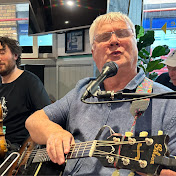
“Dancing at Whitsun” — sometimes known as “Whitsun Dance” — is one of those rare modern folk songs that has passed so naturally into tradition that many listeners assume it must be centuries old. In fact, it was written during the 1960s by Austin John Marshall, husband of the great English folk singer Shirley Collins. Marshall, who still holds the copyright, created the song as both a memorial and a quiet corrective to dismissive remarks he had heard about elderly women performing Morris dances at Cecil Sharp House, headquarters of the English Folk Dance and Song Society. His response was deeply humane. Many of these “little old ladies” were not quaint relics of rural England at all, but widows, sweethearts, and sisters of men lost during the First World War. In countless English villages, the traditional Morris sides had been devastated by the slaughter of 1914–1918. Entire generations of young farm workers vanished into the trenches of France and Flanders. Yet the seasonal rituals survived because women quietly carried them forward in memory of the dead. The lyrics of this song are therefore filled not with dramatic battlefield imagery, but with absence. Empty fields. Untended hedges. Missing dancers. The landscape itself seems to remember those who once worked and celebrated there. Nature continues serenely onward — blossom returns, corn grows green, Whitsun arrives again — but human continuity has been broken. One of the song’s most moving images is the replacement of the village maypole by a war memorial, transforming a symbol of youthful fertility and celebration into one of remembrance and sacrifice. Yet the song is never bitter. Its power lies in quiet endurance. The elderly woman at its centre still dances each Whitsuntide in “a dress of white linen and ribbons of green,” carrying memory through ritual and repetition. The surviving women become guardians of continuity itself. In many performances, the song feels less like lamentation than a fragile act of communal remembrance. Musically, the song draws upon older English modal traditions and is often sung to the melody associated with “The Week Before Easter” or “The False Bride.” Shirley Collins’s recording on Autumns in Eden helped establish it as a modern classic, while versions by Tim Hart and Maddy Prior, The Silly Sisters, Rosie Hodgson, and others have kept it alive within the folk revival. In this arrangement, the Appalachian dulcimer introduces the melody before an English folk voice enters slowly and sombrely, accompanied by open-tuned guitar, whistle, and violin. The restrained instrumentation mirrors the emotional character of the song itself: gentle, reflective, and deeply rooted in memory. Thanks to Lawrie for recommending this song.
Download
0 formatsNo download links available.