EndLess Seed
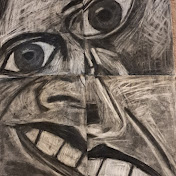
This is a strong, thematically sharp song about indoctrination, mob psychology, mass movements, and the hollowness of tribal "unity."It functions as a critique of how individuals are turned into instruments of destruction through propaganda, symbols, and manufactured belonging—while slowly becoming aware (too late) that the whole thing is corrosive.Core Theme & MessageThe song portrays people as products of a system that raises them from childhood to serve conflict and power. Key lines like "children, raised with the need / To be the endless seed of destruction" and the outro "We are children… raised in the flame" frame it as generational conditioning. The central irony runs through the chorus: "We are one — we are many — we are chosen" is explicitly called a lie that authorities put in their mouths. The group feels powerful and righteous, but it's actually fractured ("we are broken"). They cheer destruction while silencing their own doubts. This is classic groupthink / cult / totalitarian psychology—applicable to fascism, nationalism, political extremism, religious zealotry, or any mass movement that demands conformity.Section-by-Section BreakdownVerse 1 Sets up the deterministic trap: no real choice or voice, just production-line soldiers. The marching imagery ("boot heels beating time") is militaristic and evokes historical regimes or protest mobs. "‘Cept the ones we’re told to defeat" is a sharp line—it shows the hatred is directed, not organic.Pre-Chorus Builds inevitability. The "drums" and later "chant" represent rhythm, music, slogans, and propaganda that override reason. Excellent escalation.Chorus The emotional and lyrical peak. Very effective. The repetition of "We are one — we are many" mimics real chants and propaganda slogans. "We raise our hands while the truth goes unspoken / And we cheer while they burn it all down" is visceral and damning. Ending on "we are broken / But we don’t dare say it out loud" captures the shame and cognitive dissonance perfectly. Verse 2 Introduces symbols of identity and division ("armbands," "color-coded lines"). This strongly evokes historical fascism (literal armbands) but also works more broadly with modern tribal markers (flags, colors, hashtags, uniforms). The line "It’s a resolution, a revolution / Written long before we arrived" is excellent—it conveys predestination and the illusion of agency.Bridge Shift to the manipulator’s perspective. This is a power move in the song. The "I" is the demagogue, propagandist, or system itself—controlling narrative, shame, glory, and ritual ("bless the givings, raise a toast"). "May we reign… may we reign alone" reveals the ultimate goal: elite power disguised as collective victory.Break (stripped/quiet) The moment of humanity and doubt. "Not every child was born to destroy… / Some of us remember more" is the moral center and the song’s glimmer of hope/resistance. This contrast with the noise is very effective.Final Chorus & Outro The realization arc: from "we are chosen" → "we were chosen / or at least that’s what we’ve been told." The cracks are showing and "the fire’s getting hard to control"—a warning that the manipulated energy will consume its creators too. The outro circles back to the beginning but with tragic clarity.
Download
0 formatsNo download links available.