Lighting effects using hard versus soft light.
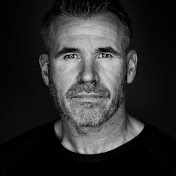
#photography #lightingeffects #portrait I must admit that I have never used just bare lighting effects. Did it work? Yes there is definitely a place for it in my studio but do I like it more than a more softer smoother light?.... you can find out here. For the last few years my portraits have been lit in the same way and that is with one single large light source. This is usually placed in position of 45 degrees to the model, up high above head and tilted downwards. My aim is to get a Rembrandt effect of light or, at least a soft natural looking light. While searching for some other type of lighting to give my male model a new gritty look, it came down to one thing. While modifiers help with getting the look that you want, the other consideration is what type of light do you want to paint? A hard light that gives a prominent harsh look to someone’s face, with high contrast shadows that can be quite dramatic. The other look and one that I use is a soft light that flatters the subject and arguably one that you can control easier. I decided to do a side-by-side comparison using a medium sized octabox for the soft light and a simple bare 7” reflector. Not only did I want to show the difference between the two, but I wanted to show that you can get a good portrait with the minimum amount of kit. Reflectors usually come with you light or they are inexpensive to buy, and you can add grids to the front for light direction. Again, I decided not to use a grid but simply the naked light source. On to the shoot itself, I set up as usual by using my Sony A7R4 on a tripod and connected wirelessly to the monitor using Sony software. I shoot this way because it gives me total control and I can interact with the person that’s in front of my camera. Very often they can feel intimidated by the lights and studio surroundings so this way I get to compose the shot and then let eye tracking do it’s thing. This has been a game changer in the way that I shoot my portraits since I used to have to “focus – recompose” a year or so ago. My keeper rate from a shoot session is now at 80% rather than 50% due to the focus shifting when recomposing. I have my go to settings that are 160th – F8 – ISO 100 then I spend a second or two dialling in using the on-board trigger which is a Phottix Odin II. I can control the light from the camera this way and prefer it to using my light meter because it gives me the control, to get the look I want. Once Simon was sat in front of the camera it didn’t take long to get the shoot that I wanted and then we quickly changed to the softbox to do the same but for the soft light. The light position did not change, and the power remained near the same or maybe a stop more in power, due to the double diffuser on the front of the modifier. Again, it took minutes to get the shot so then it was over to a quick edit to finish up. I used camera raw to adjust white balance before taking into photoshop. Then I applied 3 LUTs (look up tables) to grade both images the same. These LUT pre-sets were edgy amber, foggy night and tension green, all at 12% opacity and blend mode normal. You can locate them on the right side of your adjustments pallet where it’s identified as a grid icon. I then applied an adjustment layer of unsharp mask to Simon then used a soft brush to brush back the background since I didn’t want the sharpening applied there. The conclusion in the light comparison was noticeable and left me to ponder the two images side by side. There is a huge difference in contrast and shadow play on Simon’s face on the hard image. There is more light spilling on to the backdrop on the hard light where the soft light has a more controlled look. The hard light also defines that Rembrandt look where the triangle of light appears underneath the eye as opposed to the smoothed-out appearance on the soft light. The hotspot on Simon’s forehead it not a good look on the hard light and, far more controlled with the diffused soft light. These things indicate to me a preference to go with the soft light over the hard light, but where does that leave hard light? I think both have their place and I would consider the hard light look for a gritty male black and white portrait in the future. For me personally I will still use modifiers and go for a softer look on my portraits simply because it’s my own style that I am accustomed to. You can find more examples of how I get my portraits along with a lot of content on my YouTube page. It’s called Ian Munro Art and you can help support this by subscribing. My YouTube channel is something that I really want to promote so that I can share the in depth details of how I go about creating great storytelling sets. https://www.facebook.com/ian.munrophotography https://www.gravitybackdrops.com/ Kit used Phottix Indra 500 light Phottix Luna octabox C-Stand and reflector Gravity backdrop Sony A7R4 with 24-105 Lens Benro Mach tripod BenQ monitor
Download
0 formatsNo download links available.