Overactive bladder is a condition where the bladder muscles contract uncontrollably to create a sense of urgency, frequency and leakage, even if the bladder is not full. In addition to conservative management, such as water restriction and bladder training, medications can be very effecting in helping relax the bladder muscles, reducing the symptoms of OAB and preventing urinary incontinence. There are two types of medications available for the treatment of OAB: Anticholinergics and Beta 3 agonists. Watch to learn more about the different types of medications that are available in each drug class, side effects, and financial considerations.
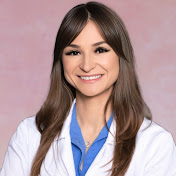
Dr. Alexandra Dubinskaya, MD, FACOG, NCMP, IF
Board Certified in Obstetrics and Gynecology
Fellowship Trained in Urogynecology
Cedars-Sinai Department of Urology - Beverly Hills
Founder of Los Angeles Institute for Pelvic and S3xuaI Health
https://www.drurogyn.com
[email protected]
#bladderhealth #pelvichealth #womenshealth #oxybutynin #ditropan #detrol #vesicare #enablex #toviaz #gemtesa #myrbetriq