USPSA Major Ammo?
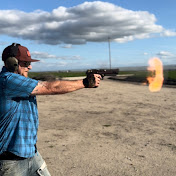
9mm Major Power Factor Test | USPSA Open Gun Chronograph In this video, I’m running hand-loaded 9mm Major ammunition over a chronograph through my custom 2011 Open gun to verify USPSA Major power factor. During the video, I state the required power factor and discuss how the gun may run better with certain loads, but this description provides the deeper explanation behind what you’re seeing. ⸻ What Is USPSA Open Division? USPSA Open Division is the most performance-driven division in practical shooting. Open guns are purpose-built race guns that commonly feature: • Compensators • Slide-mounted or frame-mounted red dots • High-capacity 2011-style frames • Tuned recoil systems These guns are optimized for Major power factor ammunition, allowing shooters to score Major while benefiting from faster shooting characteristics. ⸻ What Is Major Power Factor? In USPSA, Major power factor is 165 and is calculated as: (Bullet weight × Velocity) ÷ 1000 Ammunition that fails to meet 165 power factor at the chronograph is scored as Minor, which can significantly affect match results. This is why competitive shooters frequently test loads over a chronograph—especially before major matches. ⸻ Why Chronographing Ammo Matters Velocity can change due to: • Lot variations in powder and primers • Ambient temperature and humidity • Barrel length and chamber dimensions • Brass differences between manufacturers Chronographing ensures your load consistently meets Major power factor under real-world conditions rather than relying on estimated data. ⸻ Temperature & Humidity Effects on Velocity Environmental conditions can noticeably impact ammunition performance: • Higher temperatures can increase velocity and pressure • Lower temperatures can reduce velocity and risk falling below Major • Humidity affects powder burn rate and consistency Loads that barely make Major in one season may fail in another if conditions change. ⸻ How Brass Differences Affect Velocity Different brass manufacturers use different wall thicknesses and internal volumes. Reduced internal case capacity can: • Increase pressure • Raise velocity • Change consistency Even when using the same bullet, powder charge, and primer, switching brass can result in measurable velocity differences—critical when loading close to Major power factor. ⸻ Why Open Guns Often Run Better With “More Gas” Compensated Open guns rely on expanding gases redirected through the compensator to reduce muzzle rise. Major power factor loads often: • Produce more gas volume • Improve compensator efficiency • Keep the dot flatter during recoil • Enhance reliability and cycling This is why many Open guns feel smoother and track better with properly tuned Major ammunition. ⸻ This video shows the practical side of testing 9mm Major ammo, while this description explains the why behind the process—from power factor requirements to how Open guns are designed to take advantage of it. ⚠️ Major power factor ammunition operates at higher pressures. Always follow published data, work up loads safely, and understand the risks involved.
Download
0 formatsNo download links available.