How to do Deep Breathing Exercises | Sitting
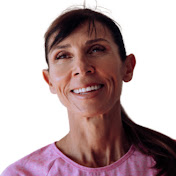
Deep breathing exercises are physiotherapy techniques that improve lung health, relieve stress, anxiety and muscle tension, for better mindfulness, mental clarity and focus. In this video, physio Michelle guides you through the correct deep breathing exercise technique to use in sitting; moving your diaphragm and rib cage to increase the depth and effectiveness of your lung capacity. 0:00 | Introduction — Why Deep Breathing Matters 0:18 | Physiotherapy Guide: Diaphragmatic Breathing Explained 0:45 | Step 1: Ribcage Breathing in Sitting 1:30 | Step 2: Belly & Diaphragm Breathing 2:45 | How Often to Practise Deep Breathing 3:40 | Tips for Comfort, Relaxation & Posture 4:10 | Next Video: Breathing for Recovery These deep breathing exercises can: • Improve oxygen flow and relaxation • Support core and pelvic floor recovery, including pelvic pain • Reduce tension, anxiety, and fatigue • Relieve painful muscle tension and improve posture during long sitting hours What you’ll learn: • Correct sitting posture for deep breathing • Step 1 – Ribcage breathing (expands your lungs through the sides) • Step 2 – Diaphragm and belly breathing (the “barrel-shape” method) • How many deep breaths to do each hour for best results When you begin, deep breathing may make you cough or feel light-headed — this is normal. If you feel light headed, dizzy or short of breath during exercise, return to your regular breathing pattern, resume only when you feel fully recovered. Gradually progress the depth, duration and the number of your deep breathing exercises according to your personal comfort. Watch next: • How to Breathe Better • How to Breathe for Recovery • Breathing Exercises for Anxiety & Stress Plato's Words: “The breath is the link between the body and the soul.” Michelle Kenway – Pelvic Floor Physiotherapist ➡ Free Resources & Workouts → https://www.pelvicexercises.com.au ➡ Subscribe for weekly physiotherapy-guided videos → @michellephysio #DeepBreathingExercises #MichelleKenway #Physiotherapy #BreathingTechniques #CalmBreathing #PelvicHealth #MindBodyConnection #StressRelief References (for viewers who wish to read more) Li, Y., Xu, S., Meng, X., Shi, X., & Wang, R. (2023). Effects of breathing exercises on oxidative stress biomarkers: A systematic review and meta-analysis. Frontiers in Medicine, 10, 1121036. https://doi.org/10.3389/fmed.2023.1121036 — Supports the potential physiological benefits of controlled breathing, including improved stress response and oxidative balance. Ma, X., Yue, Z.-Q., Gong, Z.-Q., Zhang, H., Duan, N.-Y., Shi, Y.-T., Wei, G.-X., & Li, Y.-F. (2017). The effect of diaphragmatic breathing on attention, negative affect and stress in healthy adults. Frontiers in Psychology, 8, 874. https://doi.org/10.3389/fpsyg.2017.00874 — Demonstrates that diaphragmatic breathing can improve focus, calm the mind, and reduce cortisol levels in healthy individuals. De Troyer, A., & Wilson, T. A. (2016). Action of the diaphragm on the rib cage. Journal of Applied Physiology, 121(2), 391–400. https://doi.org/10.1152/japplphysiol.00268.2016 — Explains how the diaphragm contributes to rib cage expansion and lung mechanics — consistent with the physiotherapy technique demonstrated in this video. Disclaimer The information in this video is general in nature and does not replace individual medical advice. Always consult your qualified health professional before acting on the content provided. © Healthy Fit Solutions Pty Ltd, as trustee for the P & M Kenway Family Trust. Full disclaimer: https://www.pelvicexercises.com.au/disclaimer
Download
0 formatsNo download links available.